How Can Pediatric Physiotherapy in Raj Nagar Extension Support Children With Cerebral Palsy?
Cerebral palsy can affect a child’s movement, muscle coordination, balance, and ability to perform everyday activities. Early therapeutic support can make a meaningful difference in managing these challenges. Pediatric Physiotherapy in Raj Nagar Extension focuses on improving a child’s physical abilities through structured exercises, movement activities, and individualised therapy plans. With consistent support, children with cerebral palsy can work towards better mobility, muscle control, posture, and independence.
At Miracles For Hope, pediatric rehabilitation focuses on supporting children’s developmental needs through appropriate therapeutic approaches. Understanding how physiotherapy helps children with cerebral palsy can help parents make informed decisions about their child’s care.
Direct chat with us via WhatsApp.
Understanding Cerebral Palsy in Children
Cerebral palsy is a group of neurological conditions that affect movement, posture, and muscle coordination. It develops due to damage or abnormal development of the developing brain, usually before, during, or shortly after birth.
The condition affects every child differently. Some children experience mild movement difficulties, while others may require ongoing assistance with daily activities.
Common signs and challenges include:
- Muscle stiffness or unusually weak muscle tone.
- Difficulty maintaining balance.
- Delayed sitting, crawling, or walking.
- Poor coordination and movement control.
- Difficulty using arms and legs.
- Unusual posture or walking patterns.
Pediatric Physiotherapy in Raj Nagar Extension can help address these physical challenges through regular assessment and goal-based rehabilitation.
How Does Pediatric Physiotherapy Help Children With Cerebral Palsy?
Physiotherapy plays an important role in managing movement-related difficulties associated with cerebral palsy. It focuses on improving functional abilities rather than following the same exercises for every child.
A pediatric physiotherapist evaluates the child’s muscle strength, flexibility, posture, balance, and movement patterns. Based on this assessment, a suitable therapy programme is developed.
Why Consult a Pediatric Physiotherapist in Raj Nagar Extension for Cerebral Palsy?
A Pediatric Physiotherapist in Raj Nagar Extension plays an important role in helping children with cerebral palsy improve their physical abilities and functional movement. A qualified therapist assesses muscle strength, flexibility, posture, balance, and coordination before developing an individualised therapy plan. Through guided exercises, stretching, balance activities, and mobility training, a Pediatric Physiotherapist in Raj Nagar Extension can help children work towards better movement control and greater independence in daily activities. Regular therapy and parent involvement also support consistent rehabilitation progress.
Here are some important ways physiotherapy can support children with cerebral palsy.
1. Improves Muscle Strength and Control
Children with cerebral palsy may experience muscle stiffness, weakness, or difficulty controlling their movements. These challenges can affect sitting, standing, walking, and other daily activities.
Pediatric Physiotherapy in Raj Nagar Extension may include age-appropriate strengthening exercises to improve muscle function.
Therapy activities can focus on:
- Strengthening the arms and legs.
- Improving trunk stability.
- Supporting better head and neck control.
- Developing controlled body movements.
- Improving functional strength.
These exercises are selected according to the child’s abilities and comfort level.
2. Supports Better Balance and Coordination
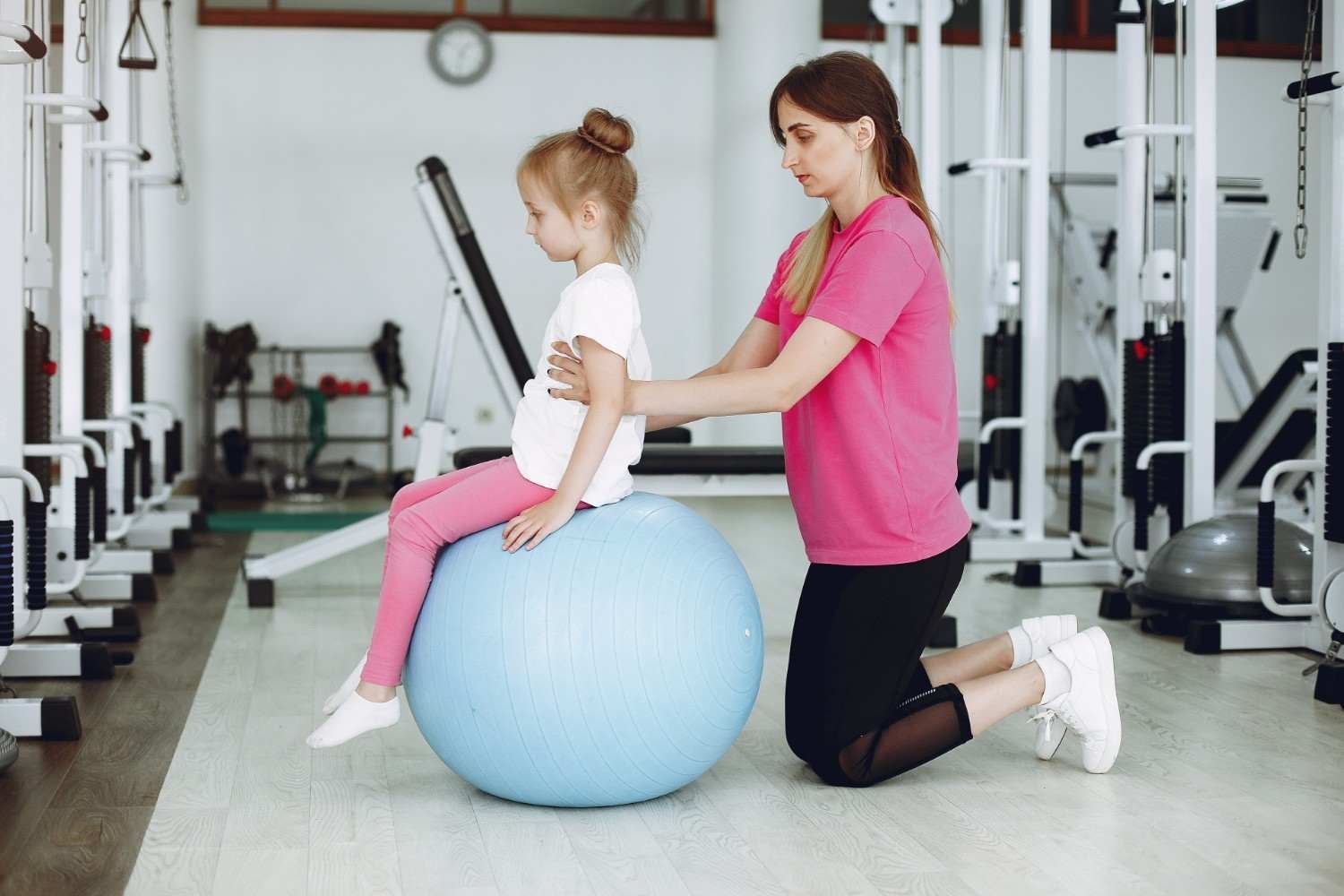
Balance and coordination are important for activities such as sitting independently, standing, walking, and playing.
Children with cerebral palsy may find these activities challenging because of differences in muscle control and posture.
A structured physiotherapy programme may include supported sitting, standing exercises, reaching activities, and controlled movement tasks.
Through Pediatric Physiotherapy in Raj Nagar Extension, children can practise these movements in a safe and supportive environment.
Regular practice may help improve body awareness, stability, and coordination.
3. Helps Improve Walking and Mobility
Some children with cerebral palsy experience difficulty walking due to muscle stiffness, weakness, or poor movement coordination.
Physiotherapy can help develop functional movement skills according to the child’s developmental level.
Treatment activities may include:
- Supported standing practice.
- Weight-shifting exercises.
- Walking practice with assistance.
- Stepping and balance activities.
- Functional movement training.
A physiotherapist may also assess whether mobility aids or orthotic support are needed.
The goal of Pediatric Physiotherapy in Raj Nagar Extension is to improve safe movement and help children participate more comfortably in everyday activities.
4. Reduces Muscle Stiffness and Improves Flexibility
Muscle stiffness, also known as spasticity, is common in certain types of cerebral palsy. It can make normal movements difficult and may affect joint flexibility.
Physiotherapy may include gentle stretching, positioning techniques, and guided movements to maintain flexibility.
These activities can help manage tight muscles and support more comfortable movement.
Early attention is important because prolonged muscle tightness can contribute to joint contractures and movement limitations.
5. Supports Better Posture and Body Alignment
Children with cerebral palsy may have difficulty maintaining proper posture while sitting, standing, or performing daily activities.
Poor posture can affect comfort, balance, and functional movement.
Pediatric Physiotherapy in Raj Nagar Extension may include trunk control exercises, positioning activities, and supported sitting and standing practice.
A physiotherapist can also guide parents on suitable seating arrangements and positioning techniques at home.
Better postural control can support participation in activities such as eating, playing, learning, and interacting with others.
Importance of Early Pediatric Physiotherapy for Cerebral Palsy
Early intervention is important because children develop physical and movement skills rapidly during their early years.
Starting physiotherapy at an appropriate stage can help identify movement difficulties and introduce suitable therapeutic activities.
Some benefits of early intervention include:
- Supporting age-appropriate motor development.
- Improving muscle strength and flexibility.
- Encouraging better movement patterns.
- Supporting balance and coordination.
- Reducing the risk of secondary physical complications.
- Promoting participation in daily activities.
The results of therapy vary depending on the child’s condition, age, functional abilities, and consistency of rehabilitation.
Parents should consult qualified professionals to determine the most appropriate intervention plan.
What Happens During a Pediatric Physiotherapy Session?
A pediatric physiotherapy session usually begins with an assessment of the child’s physical abilities and developmental needs.
The therapist may observe how the child sits, stands, moves, balances, and performs different activities.
Based on the findings, therapy sessions may include:
Movement exercises: Activities that encourage controlled movement of different body parts.
Strengthening activities: Exercises that support muscle function and stability.
Balance training: Guided activities that improve postural control and body awareness.
Stretching exercises: Gentle movements that help maintain muscle flexibility.
Functional training: Practice of everyday activities such as sitting, standing, reaching, and walking.
The therapy plan should be reviewed regularly to match the child’s changing needs and progress.
How Parents Can Support Physiotherapy at Home
Parents play an important role in their child’s rehabilitation journey. Regular practice and encouragement can help children become familiar with therapeutic activities.
Here are some practical ways parents can support progress:
- Follow the home exercise programme recommended by the therapist.
- Encourage safe movement through age-appropriate play.
- Maintain a consistent therapy routine.
- Avoid forcing movements that cause pain or distress.
- Observe changes in posture, movement, and comfort.
- Attend scheduled therapy assessments.
- Communicate concerns with the rehabilitation team.
Consistency is important. However, home exercises should always follow professional guidance.
Choosing Pediatric Physiotherapy in Raj Nagar Extension
Selecting the right rehabilitation support is an important decision for parents of children with cerebral palsy.
Look for a centre that understands childhood development and provides individualised therapy based on each child’s physical abilities.
Important factors include:
- Qualified pediatric rehabilitation professionals.
- Individual assessment and therapy planning.
- Child-friendly therapy environments.
- Age-appropriate movement activities.
- Regular progress monitoring.
- Parent guidance and home exercise support.
Miracles For Hope focuses on supporting children’s developmental and rehabilitation needs through structured therapeutic care.
Conclusion
Cerebral palsy can affect a child’s movement, posture, balance, and ability to perform everyday activities. However, appropriate rehabilitation can help children develop functional skills and improve their participation in daily life.
Pediatric Physiotherapy in Raj Nagar Extension can support muscle strength, flexibility, coordination, posture, and mobility through individualised therapy programmes. Early intervention, consistent practice, and parental involvement are important parts of the rehabilitation process.
At Miracles For Hope, the focus is on understanding each child’s individual needs and supporting their developmental journey through appropriate therapeutic care. With professional guidance and continued support, children with cerebral palsy can work towards greater functional independence and an improved quality of life.
Frequently Asked Questions (FAQs)
1. How does pediatric physiotherapy help children with cerebral palsy?
Pediatric physiotherapy helps improve muscle strength, flexibility, balance, posture, coordination, and functional movement through structured exercises and therapeutic activities.
2. At what age should a child with cerebral palsy start physiotherapy?
Physiotherapy can begin during infancy when developmental or movement difficulties are identified. Early assessment helps determine suitable therapy goals.
3. How often should children with cerebral palsy attend physiotherapy?
The frequency depends on the child’s physical abilities, developmental needs, and rehabilitation goals. A qualified physiotherapist recommends an appropriate schedule.
4. Can physiotherapy help children with cerebral palsy learn to walk?
Physiotherapy can support walking skills through balance training, strengthening exercises, supported standing, and gait practice. However, outcomes vary between children.
5. Can parents perform physiotherapy exercises at home?
Yes. Parents can practise therapist-recommended exercises at home. Following professional instructions is important to ensure safe and appropriate movement practice.