When Should Parents Consider Occupational Therapy in Knowledge Park II, Greater Noida?
Introduction
Every child develops at their own pace. Some children may need extra support with everyday activities such as holding a pencil, getting dressed, eating independently or playing with others. These difficulties can sometimes affect their confidence, learning and overall development. Occupational Therapy in Knowledge Park II can help children improve these essential skills through structured, age-appropriate activities.
Occupational therapy focuses on helping children participate more comfortably in their daily routines. It supports physical, sensory, cognitive and developmental skills. Recognising early signs of difficulty can help parents seek timely assessment and appropriate support.
Direct chat with us via WhatsApp.
What Is Occupational Therapy for Children?
Occupational therapy is a specialised intervention that helps children develop the skills needed for everyday activities. These activities are also known as daily living skills.
A therapist first understands the child’s strengths and areas of difficulty. Based on the assessment, an individualised therapy plan is prepared.
The therapy may focus on:
- Fine motor skills and hand coordination.
- Gross motor skills and body movement.
- Sensory processing and responses.
- Handwriting and classroom activities.
- Self-care and personal independence.
- Attention and task completion.
The main goal is to help children become more confident and independent in their everyday lives.
When Should Parents Consider Occupational Therapy in Knowledge Park II?
Parents should observe how their children manage daily activities at home, school and during play. Certain difficulties may indicate that professional assessment could be helpful.
1. Difficulty With Fine Motor Skills
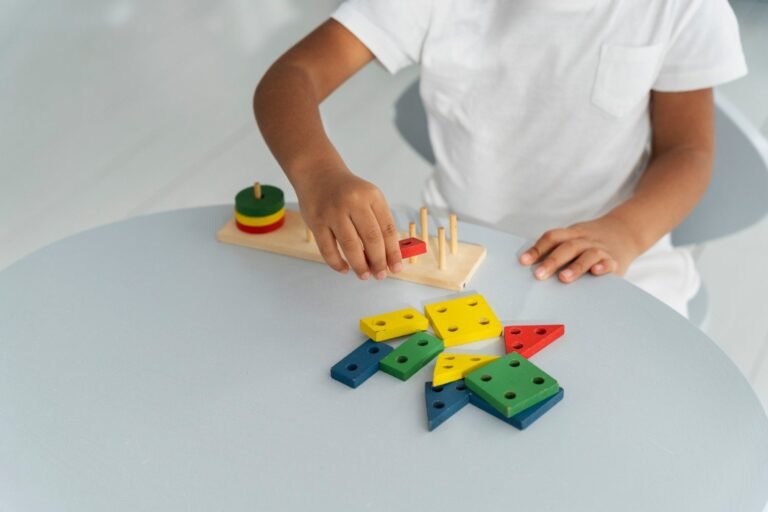
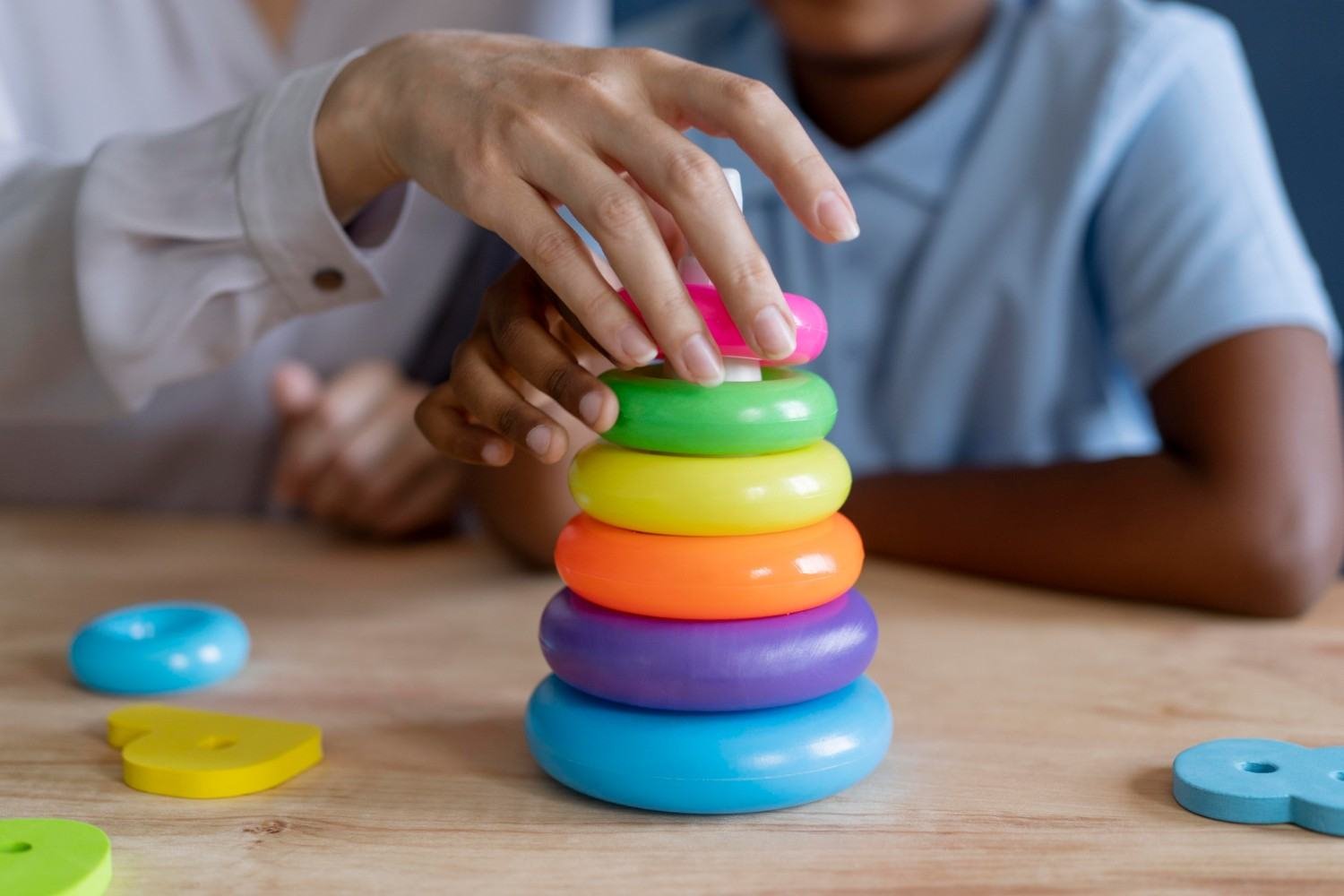
Fine motor skills involve small movements of the hands and fingers. Children use these skills while writing, drawing, holding objects and using toys.
Some common signs include:
- Difficulty holding a pencil or crayon.
- Trouble using scissors.
- Difficulty buttoning clothes.
- Struggling to pick up small objects.
- Poor hand-eye coordination.
Occupational therapy uses age-appropriate exercises and play activities to strengthen hand muscles and improve coordination.
2. Challenges With Sensory Processing
Some children respond differently to sounds, textures, lights, movement or touch. These responses may affect their comfort and participation in everyday activities.
For example, a child may avoid certain food textures, become uncomfortable in noisy places or dislike specific clothing materials.
Occupational therapists assess these responses and identify suitable strategies. Sensory-based activities may help children participate more comfortably in daily routines.
3. Difficulty With Daily Living Activities
Children gradually learn to perform everyday tasks independently. However, some may need additional support with basic self-care activities.
Parents may notice difficulties with:
- Eating meals independently.
- Wearing or removing clothes.
- Brushing teeth.
- Washing hands.
- Using everyday household objects.
Occupational Therapy in Knowledge Park II can help children practise these activities through structured exercises and repeated practice.
4. Poor Balance and Body Coordination
Balance and coordination are important for walking, running, jumping and participating in physical play.
Children who frequently struggle with these activities may need support in developing body awareness and movement control.
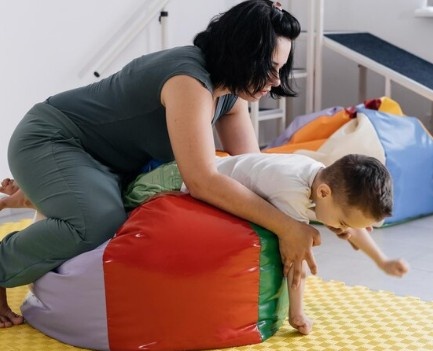
Occupational therapy may include activities that encourage balance, posture, strength and coordination according to the child’s abilities.
5. Difficulty With Handwriting and School Activities
Some children find classroom activities challenging because of difficulties with pencil grip, hand strength, posture or visual-motor coordination.
These challenges may affect writing speed, drawing and completing schoolwork.
Therapy activities can help improve hand control, coordination and the skills needed for classroom participation.
How Does Occupational Therapy Support Child Development?
Occupational therapy supports different areas of childhood development. The activities are selected according to the child’s age, abilities and individual requirements.
Improves Fine and Gross Motor Skills
Therapists use guided play, movement activities and exercises to improve muscle control and coordination. These skills help children participate in writing, sports and everyday activities.
Develops Sensory Awareness
Children may benefit from activities designed around their sensory needs. These activities can help them understand and respond to different sensory experiences.
Encourages Independence
Practising daily tasks helps children become more confident in managing personal activities. Small improvements can make a meaningful difference in their everyday routines.
Supports Attention and Participation
Structured activities can help children practise focusing, following instructions and completing tasks. These skills may also support their participation in classroom and group activities.
Role of Occupational Therapy in Autism and Developmental Delays
Children with autism or developmental delays may experience difficulties with sensory processing, coordination, communication and daily living activities.
Occupational therapy can support these children by focusing on practical developmental goals.
For children with autism, therapy may include sensory-based activities, self-care practice, fine motor exercises and support for everyday participation.
Children with developmental delays may benefit from activities that encourage movement, coordination, hand skills and age-appropriate independence.
Every child has different needs. Therefore, therapy should be planned after a proper assessment rather than following the same routine for every child.
What Happens During an Occupational Therapy Session?
The therapy process generally begins with an assessment. The therapist observes the child’s movements, sensory responses, coordination and ability to perform everyday activities.
Based on these observations, specific therapy goals are developed.
A typical session may include:
Initial Assessment: Understanding the child’s developmental abilities and challenges.
Individualised Planning: Creating suitable goals based on the child’s needs.
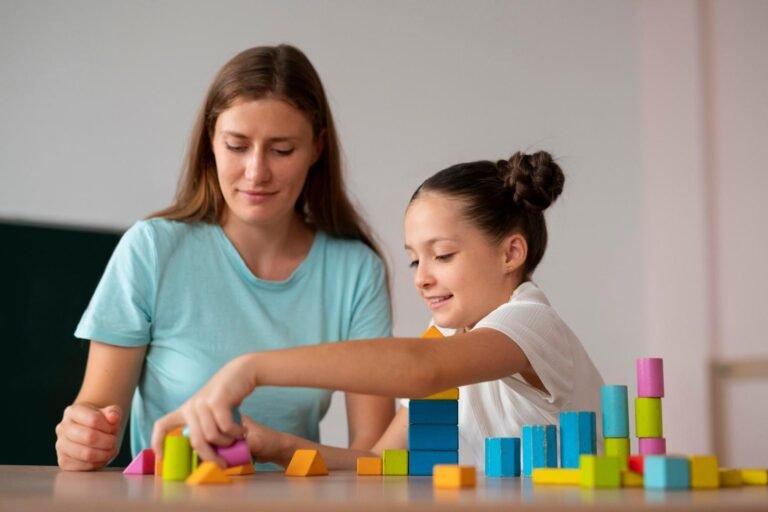
Therapeutic Activities: Using guided play, movement exercises and practical tasks.
Skill Development: Practising activities that improve coordination, sensory processing and independence.
Progress Monitoring: Reviewing improvements and adjusting the therapy plan when required.
Regular participation and practice can help children gradually develop important everyday skills.
How Can Parents Support Occupational Therapy at Home?
Parents play an important role in supporting their child’s progress. Practising suitable activities at home can help children use their developing skills in familiar environments.
Here are some simple ways parents can help:
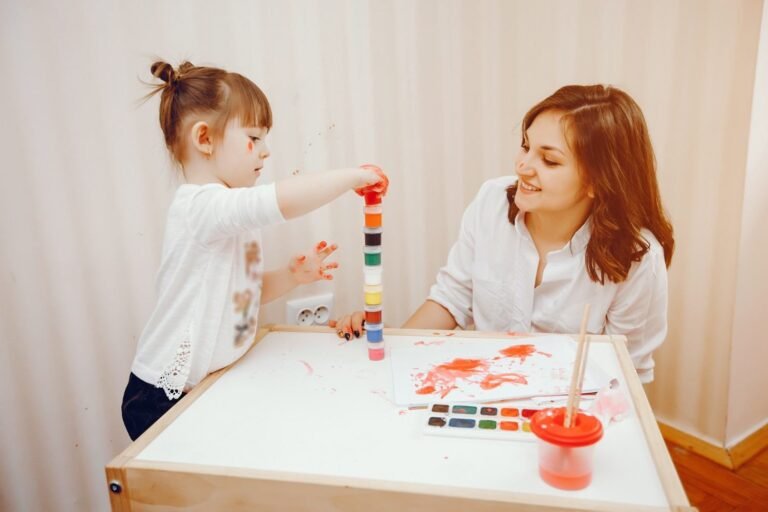
- Encourage drawing, colouring and age-appropriate puzzles.
- Allow children to practise dressing independently.
- Include simple household tasks in daily routines.
- Encourage safe outdoor play and physical movement.
- Maintain consistent daily schedules.
- Appreciate small achievements and efforts.
- Follow the activities recommended by the therapist.
Parents should avoid comparing their child’s progress with others. Every child learns differently and may need a different amount of time to develop new skills.
Choosing the Right Occupational Therapy Centre in Knowledge Park II
Choosing an appropriate therapy centre is an important step in supporting a child’s development. Parents should look for qualified professionals, individualised therapy plans and a supportive environment.
When considering Occupational Therapy in Knowledge Park II, check whether the centre offers:
- Individual developmental assessments.
- Child-friendly therapy activities.
- Qualified and experienced therapists.
- Regular progress monitoring.
- Parent involvement and communication.
- Personalised therapy goals.
At Miracles For Hope, children receive developmental support through a multidisciplinary approach. Services include occupational therapy, ABA therapy, speech therapy, special education and psychological counselling.
The focus is on understanding each child’s individual requirements and supporting their development through suitable therapeutic interventions.
Conclusion
Recognising developmental challenges early can help parents make informed decisions about their child’s growth. Difficulties with motor coordination, sensory processing, handwriting or everyday activities may indicate a need for professional assessment.
Occupational Therapy in Knowledge Park II can help children develop practical skills, improve coordination and become more independent in daily life. With personalised therapy, regular practice and parental involvement, children can work towards meaningful developmental goals.
At Miracles For Hope, the focus remains on providing child-centred support that encourages confidence, participation and independence.
Frequently Asked Questions (FAQs)
1. At what age can a child start occupational therapy?
Children can start occupational therapy when developmental or functional difficulties are identified. A professional assessment helps determine the appropriate time and therapy approach.
2. Can occupational therapy improve handwriting skills?
Yes. Occupational therapy can work on pencil grip, hand strength, fine motor coordination and visual-motor skills that support handwriting.
3. Does occupational therapy help children with autism?
Yes. It can support sensory processing, motor development, self-care and participation in everyday activities.
4. How often should a child attend occupational therapy?
The frequency depends on the child’s assessment, developmental needs and therapy goals. The therapist recommends a suitable schedule.
5. How can parents support occupational therapy at home?
Parents can practise therapist-recommended activities, encourage independence, maintain routines and appreciate their child’s progress.