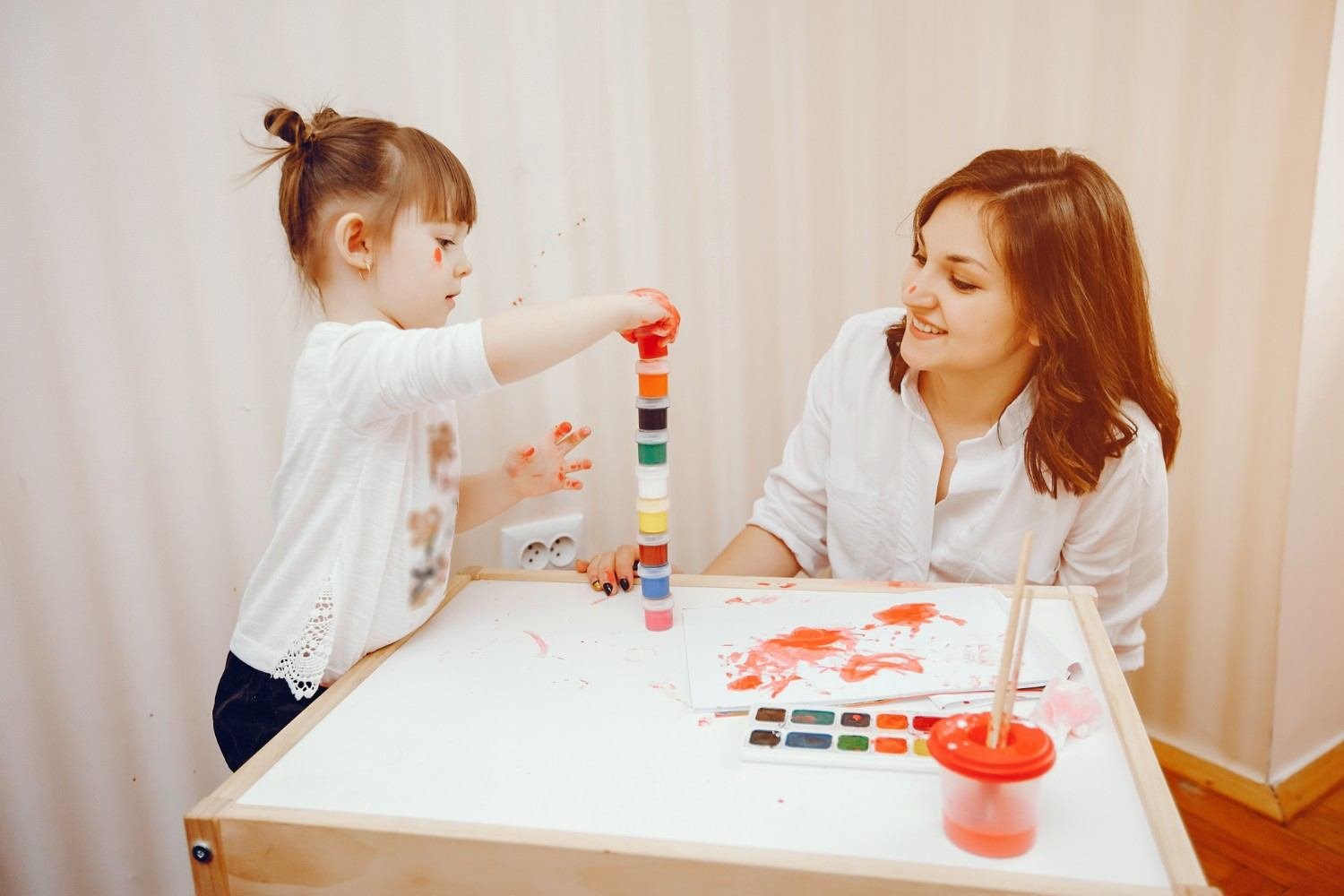
Occupational Therapy for Children in Ghaziabad: Supporting Development and Everyday Skills
Every child develops at their own pace, but some children may experience difficulties with everyday activities such as holding a pencil, maintaining balance, playing, dressing, or responding to sensory experiences. These challenges can affect their participation in activities at home, school, and social environments. Occupational Therapy for Children in Ghaziabad focuses on helping children develop the essential skills needed to participate more confidently and independently in their daily routines.
At Miracles For Hope, occupational therapy focuses on understanding each child’s developmental needs and providing individualised support through structured, engaging, and goal-oriented activities. The aim is to improve functional abilities, encourage independence, and support children’s overall development.
Direct chat with us via WhatsApp.
What Is Occupational Therapy for Children?
Pediatric occupational therapy is a specialised therapeutic approach that helps children develop the physical, sensory, cognitive, and coordination skills required for everyday activities.
These activities may include eating, dressing, handwriting, playing, using classroom materials, and maintaining personal hygiene. Children who experience developmental delays, sensory processing difficulties, motor coordination challenges, or difficulties with self-care may benefit from an occupational therapy assessment.
An occupational therapist evaluates the child’s strengths, developmental abilities, and areas requiring additional support. Based on this assessment, a personalised therapy plan is created to address specific functional goals.
Signs Your Child May Need Occupational Therapy
Some developmental difficulties may become noticeable when children begin participating in more complex activities at home or school. Recognising these challenges can help parents seek appropriate professional guidance.
Consider an occupational therapy assessment if your child:
- Has difficulty holding a pencil, colouring, or using small objects.
- Struggles with handwriting, drawing, or other classroom activities.
- Experiences difficulties with balance, coordination, or body movements.
- Avoids certain textures, sounds, or sensory experiences.
- Finds dressing, feeding, or grooming challenging.
- Has difficulty following instructions or completing age-appropriate tasks.
- Struggles with playing, sharing, or participating in group activities.
- Has difficulty maintaining attention during structured activities.
These signs do not necessarily indicate a developmental disorder. A professional assessment can help identify the underlying functional difficulties and determine whether occupational therapy may be beneficial.
How Occupational Therapy Helps Children Develop Essential Skills
Occupational therapy addresses different areas of childhood development through activities selected according to the child’s age, abilities, and individual needs.
1. Fine Motor Skill Development
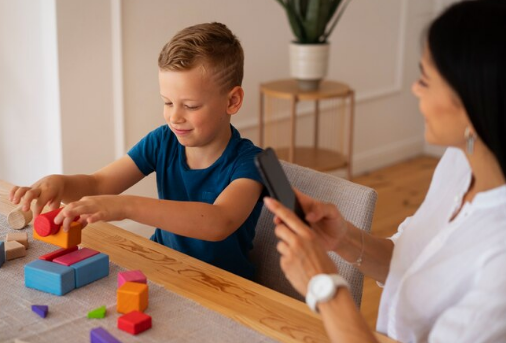
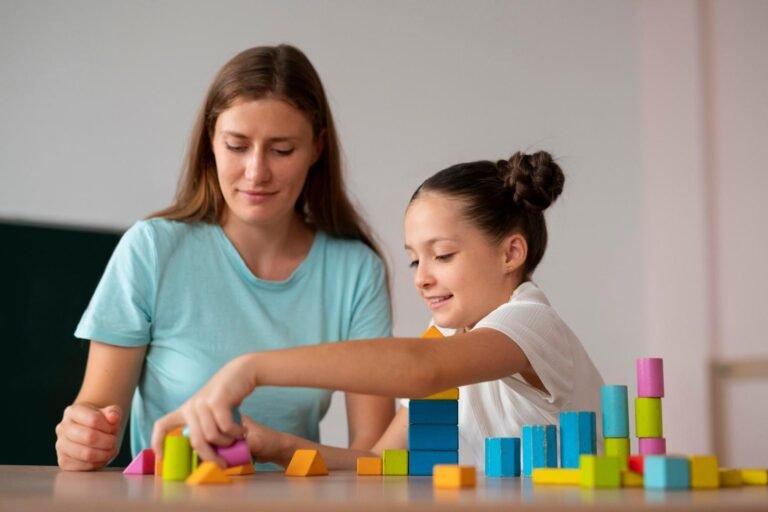
Fine motor skills involve the small muscles of the hands and fingers. These skills are important for holding pencils, buttoning clothes, picking up objects, drawing, and using classroom tools.
Therapy activities may include:
- Finger strengthening exercises.
- Bead threading and object sorting.
- Clay modelling and play-based tasks.
- Pencil grip and pre-writing activities.
These activities help children improve hand control, finger coordination, and precision.
2. Gross Motor Skills and Coordination
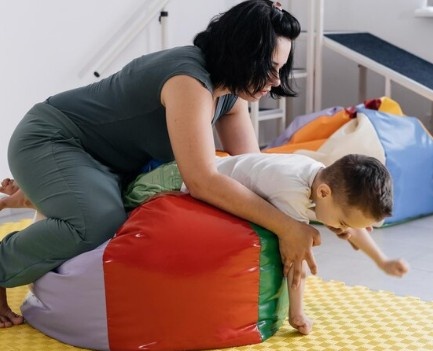
Gross motor skills involve larger muscle groups used for walking, jumping, balancing, and maintaining posture. Some children may experience difficulties coordinating their movements or participating in physical activities.
Occupational therapy may include age-appropriate movement activities, balance exercises, and coordination-based tasks to support body awareness, stability, and functional movement.
3. Sensory Processing and Regulation
Children receive information from their surroundings through different senses, including touch, sound, movement, sight, and body awareness. Some children may find certain sensory experiences overwhelming or may seek additional sensory input.
Sensory-based therapeutic activities can help children develop strategies for managing sensory experiences and participating more comfortably in everyday environments.
4. Self-Care and Daily Living Skills
Independence in personal care is an important developmental milestone. Some children require additional support to learn everyday tasks.
Occupational therapy can help children practise:
- Eating and using utensils.
- Wearing and removing clothes.
- Buttoning and fastening garments.
- Brushing teeth and washing hands.
- Maintaining personal hygiene.
Consistent practice can help children gradually become more confident in managing their daily routines.
5. Handwriting and Pre-Writing Skills
Children who experience difficulties with hand strength, pencil control, visual-motor coordination, or posture may find writing activities challenging.
Therapeutic activities may focus on improving pencil grip, hand-eye coordination, finger movements, and the foundational skills required for handwriting.
6. Attention and Functional Cognitive Skills
Attention, sequencing, memory, and problem-solving contribute to a child’s ability to complete everyday activities.
Occupational therapy may incorporate structured games, matching activities, puzzles, and task-based exercises to encourage these functional skills and improve participation in age-appropriate routines.
Occupational Therapy for Children with Autism and Developmental Delays
Children with autism or developmental delays may experience challenges with sensory processing, motor coordination, self-care, and everyday participation.
Occupational therapy can support these children by addressing individual functional difficulties through structured and meaningful activities.
Depending on the child’s assessment, therapy goals may include:
- Improving tolerance of everyday sensory experiences.
- Developing fine and gross motor coordination.
- Encouraging independent feeding and dressing.
- Improving participation in play-based activities.
- Developing functional attention and task completion.
- Supporting participation in home and school routines.
Every child has different strengths and support requirements. Therefore, therapy should be adapted to the child’s developmental profile rather than following a fixed approach.
What Happens During a Child’s Occupational Therapy Session?
An occupational therapy programme generally begins with an assessment of the child’s developmental abilities, functional challenges, and everyday requirements.
Based on the findings, the therapist establishes achievable goals and selects suitable therapeutic activities.
A session may involve:
- Skill Assessment: Understanding the child’s motor, sensory, and functional abilities.
- Individualised Goal Setting: Identifying specific skills that require improvement.
- Therapeutic Activities: Using structured exercises and engaging tasks to practise targeted skills.
- Progress Monitoring: Reviewing the child’s response and modifying activities when required.
- Parent Guidance: Sharing practical strategies that can be reinforced through everyday activities at home.
The frequency and duration of therapy depend on the child’s individual needs, assessment findings, and progress.
Why Early Occupational Therapy Can Be Important
Early identification of functional difficulties can help children receive appropriate support during important stages of development. When challenges affecting movement, coordination, sensory processing, or self-care are recognised, parents can seek professional guidance without unnecessary delay.
Early occupational therapy may help children practise essential skills, develop greater independence, and participate more comfortably in daily activities.
Parents should remember that every child’s developmental journey is different. Progress depends on individual needs, consistency, and appropriate therapeutic support.
Choosing Occupational Therapy for Children in Ghaziabad
When looking for Occupational Therapy for Children in Ghaziabad, parents should consider the child’s specific developmental requirements and the quality of the assessment and therapy approach.
Important factors include:
- Individual assessment of developmental and functional abilities.
- Therapy goals based on the child’s specific requirements.
- Age-appropriate and engaging therapeutic activities.
- Regular monitoring of developmental progress.
- Parent involvement and practical home-based guidance.
- A supportive environment that encourages children’s participation.
At Miracles For Hope, the focus is on providing child-centred therapeutic support that addresses individual developmental needs and encourages progress in everyday functioning.
Conclusion
Occupational therapy plays an important role in helping children develop the skills required for everyday independence. From improving fine motor coordination and handwriting to supporting sensory regulation and self-care, individualised therapy can address various functional challenges during childhood.
If your child is experiencing difficulties with everyday activities or developmental skills, seeking a professional assessment can be a helpful first step. Miracles For Hope focuses on supporting children’s development through structured occupational therapy activities, individualised goals, and consistent guidance.
Frequently Asked Questions (FAQs)
1. What is the purpose of occupational therapy for children?
The purpose is to help children develop functional skills required for everyday activities, including writing, playing, dressing, feeding, coordination, and personal care.
2. At what age can a child start occupational therapy?
Children can receive occupational therapy when developmental or functional difficulties are identified. The appropriate starting point depends on their individual needs and professional assessment.
3. Can occupational therapy help children with autism?
Yes. Occupational therapy may help children with autism develop fine motor skills, sensory regulation, self-care abilities, coordination, and participation in everyday activities.
4. How long does occupational therapy take to show improvement?
Progress varies according to the child’s developmental needs, functional challenges, therapy goals, and consistency of participation. Some children may demonstrate progress earlier, while others require longer-term support.
5. Does occupational therapy improve handwriting?
Occupational therapy can help improve foundational handwriting skills by working on pencil grip, finger strength, hand-eye coordination, posture, and fine motor control.
6. How can parents support occupational therapy at home?
Parents can reinforce therapy goals through age-appropriate activities such as drawing, colouring, puzzles, dressing practice, play-based exercises, and everyday self-care routines, following the therapist’s guidance.
7. Where can parents seek occupational therapy for children in Ghaziabad?
Parents can approach Miracles For Hope for child-focused occupational therapy support. A professional assessment can help identify the child’s needs and determine suitable therapeutic goals.