
Speech Therapy: Types, Benefits, Techniques & Who Needs It
Speech Therapy in Greater Noida can help children and adults improve communication, speech clarity, language skills, and, when needed, swallowing abilities. Speech and language difficulties can affect learning, social interaction, confidence, and everyday communication. A qualified speech-language professional assesses the individual’s needs and develops therapy goals based on their specific challenges.
Direct chat with us via WhatsApp.
What Is Speech Therapy?
Speech therapy is a structured approach used to assess and manage difficulties related to speech, language, communication, voice, and swallowing. It can be helpful for people of different ages and may address problems that develop during childhood or occur because of neurological conditions, injury, illness, or other causes.
A speech-language pathologist evaluates communication abilities and identifies areas that require support. Therapy is then planned according to the person’s age, condition, communication goals, and daily needs.
Types of Speech Therapy
Different communication concerns require different therapeutic approaches. Some common types include:
Articulation and Speech Sound Therapy
This approach helps individuals produce speech sounds more clearly. It may be useful for children who have difficulty pronouncing particular sounds or for individuals whose speech has changed because of a medical or neurological condition.
Language Therapy
Language therapy focuses on understanding and using language. It may address vocabulary, sentence formation, comprehension, expression, and social communication skills.
Fluency Therapy
People who stutter or experience interruptions in speech may benefit from fluency-focused techniques. Therapy can work on communication strategies, speech patterns, and confidence during conversations.
Voice Therapy
Voice therapy may help individuals experiencing problems such as vocal strain, unusual voice quality, or changes in pitch and loudness. The specific approach depends on the underlying concern.
Swallowing and Feeding Support
Speech-language professionals can also work with individuals who have feeding or swallowing difficulties. Assessment and therapy may be recommended when these concerns affect safety, nutrition, or daily functioning.
Benefits of Speech Therapy in Greater Noida
One of the key benefits of Speech Therapy in Greater Noida is that it can support more effective communication in everyday situations. Therapy goals are individualized and may focus on improving speech clarity, language development, fluency, voice, or functional communication.
For children, therapy may support communication and language skills needed for learning and social interaction. For adults, therapy may help address communication difficulties associated with conditions such as stroke, neurological disorders, or acquired injuries.
Speech-language services can also help individuals maintain or regain functional communication and improve participation in daily activities.
Speech Therapy Techniques
Therapy techniques vary according to the individual’s needs. Sessions may include structured speaking exercises, sound practice, vocabulary activities, language-building tasks, fluency strategies, communication exercises, and functional activities.
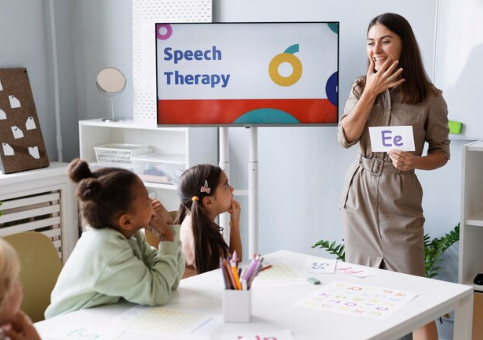
For children, therapists may use age-appropriate activities to make sessions engaging while working toward specific communication goals. Adults may benefit from exercises designed around practical communication situations.
Individual therapy, group sessions, and other service-delivery approaches may be considered depending on the person’s goals and clinical needs.
Who May Need Speech Therapy?
Speech Therapy in Greater Noida may be considered for children who have delayed speech or language development, difficulty understanding or expressing language, unclear speech, or problems with social communication.
Adults may also benefit from assessment when speech or language changes occur after a stroke, brain injury, neurological condition, or other health problem. People experiencing persistent voice or swallowing difficulties may also require professional evaluation.
Early assessment can be valuable when communication difficulties affect learning, independence, safety, or participation in everyday activities.
When Should You Consider Speech Therapy?
Consider professional evaluation if a child is having noticeable difficulty communicating for their age, frequently struggles to express or understand language, or has speech that is difficult for others to understand.
For adults, sudden or progressive changes in speech, language, voice, or swallowing should be medically evaluated. A professional assessment can help identify the underlying communication concern and determine whether therapy is appropriate.
Why Choose Professional Speech Therapy?
Effective Speech Therapy in Greater Noida should begin with an appropriate assessment rather than a one-size-fits-all approach. Therapy goals should reflect the individual’s specific communication needs and functional challenges.
Consistent practice and participation can also support progress. Families and caregivers may be involved when appropriate so that useful communication strategies can be reinforced outside therapy sessions. Speech-language services are designed around functional goals and the individual’s needs.
Conclusion
Speech Therapy in Greater Noida can provide structured support for children and adults experiencing speech, language, fluency, voice, communication, or swallowing difficulties. With appropriate assessment and personalized therapy, individuals can work toward clearer communication and improved participation in everyday life.
The right therapy approach depends on the person’s age, symptoms, underlying condition, and communication goals. If you or your child is experiencing persistent communication difficulties, a professional assessment can help determine the most appropriate next step.
FAQs
1. What does speech therapy help with?
Speech therapy can address speech sound difficulties, language problems, stuttering, voice concerns, communication challenges, and certain feeding or swallowing difficulties.
2. Can children benefit from speech therapy?
Yes. Children may benefit when they experience speech delays, unclear pronunciation, language difficulties, or challenges with communication and social interaction.
3. Can adults receive speech therapy?
Yes. Adults may require therapy following stroke, brain injury, neurological conditions, or other problems affecting speech, language, voice, or swallowing.
4. How long does speech therapy take?
The duration varies from person to person. It depends on the type and severity of the communication difficulty, therapy goals, progress, and recommended session frequency.
5. Is speech therapy only for speech problems?
No. Speech-language therapy can address a wider range of communication needs, including language, fluency, voice, cognitive-communication, and swallowing-related concerns.