
How CBT Therapy in Ghaziabad Can Help Children Manage Anxiety, Stress & Negative Thoughts
Children can experience anxiety, stress, fear, and negative thoughts just like adults. However, they may not always know how to explain what they are feeling. CBT Therapy in Ghaziabad can help children understand their emotions, recognize unhelpful thinking patterns, and develop healthier ways to respond to everyday challenges. With age-appropriate techniques and supportive guidance, therapy can give children practical skills they can use at home, school, and in social situations.
Cognitive Behavioral Therapy (CBT) focuses on the connection between thoughts, feelings, and behaviors. It helps children understand that the way they think about a situation can influence how they feel and act. CBT is also widely used as an evidence-based psychological approach for childhood anxiety.
Direct chat with us via WhatsApp.
Understanding Anxiety and Stress in Children
Some worries are a normal part of childhood. A child may feel nervous before an exam, hesitate before meeting new people, or worry about making mistakes. However, anxiety can become a concern when these feelings are frequent, intense, or begin affecting everyday life.
Children experiencing anxiety may show signs such as:
- Excessive worrying or fear
- Irritability or frequent mood changes
- Difficulty concentrating
- Avoiding school or social activities
- Sleep problems
- Headaches or stomachaches
- Repeated reassurance-seeking
- Fear of making mistakes
The American Psychological Association notes that anxiety in children can involve excessive worry, negative expectations, difficulty concentrating, irritability, and physical symptoms such as headaches or stomachaches.
When these signs continue or interfere with a child’s daily functioning, professional support can be helpful.
How CBT Therapy in Ghaziabad Helps Children
CBT Therapy in Ghaziabad helps children understand the relationship between their thoughts, emotions, and behaviors. Instead of simply telling a child not to worry, CBT teaches them practical ways to respond differently.
For example, a child might think, “I will definitely fail,” before an examination. This thought may create fear and lead the child to avoid studying or become overwhelmed. CBT can help the child identify this unhelpful thought and replace it with a more balanced approach, such as, “I can prepare and do my best.”
This process can gradually improve emotional awareness and coping skills.
Managing Negative Thoughts Through CBT
Negative thinking can affect a child’s confidence. Children may sometimes believe that they are not good enough, that everyone is judging them, or that something bad will happen.
A CBT Therapist in Ghaziabad can help children identify these thinking patterns in a simple and age-appropriate way. The goal is not to force children to think positively all the time. Instead, they learn to examine whether a thought is realistic, helpful, or based mainly on fear.
Common CBT strategies may include:
- Identifying negative thoughts
- Challenging unhelpful beliefs
- Learning positive coping statements
- Practicing problem-solving
- Understanding emotional triggers
- Developing healthier behavioral responses
These skills can help children become more confident in handling difficult situations.
Building Healthy Coping Skills for Stress
Schoolwork, examinations, friendships, family changes, social expectations, and daily routines can sometimes become stressful for children. If they do not have effective coping skills, stress may appear through emotional or behavioral changes.
CBT Therapy in Ghaziabad can teach children practical techniques for managing stress. Depending on their age and individual needs, therapy may include relaxation exercises, controlled breathing, structured problem-solving, emotional identification, and gradual exposure to situations they tend to avoid.
CBT for childhood anxiety often addresses physical reactions, anxious thoughts, and avoidance behaviors together.
Making Therapy Child-Friendly
Children may not respond well to traditional adult-style conversations about emotions. Effective therapy therefore needs to be adapted to the child’s developmental level.
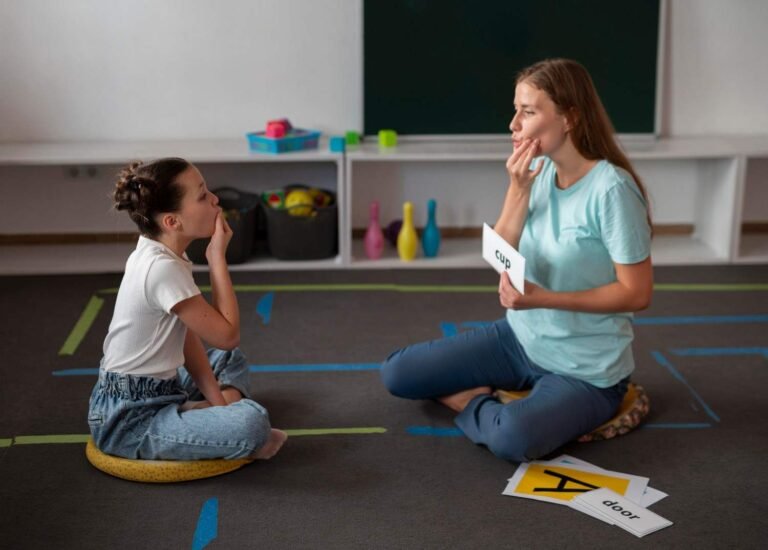
A CBT Therapist in Ghaziabad may use activities, stories, drawings, games, worksheets, examples, or role-playing to make concepts easier to understand. The therapist can also help children practice skills during sessions, so they become more comfortable using them outside therapy.
For younger children, parents may also have an important role in supporting the strategies introduced during therapy.
CBT and Fear or Avoidance
Anxiety can sometimes cause children to avoid situations that make them uncomfortable. A child may avoid answering questions in class, attending social events, sleeping alone, or participating in activities because of fear.
Avoidance can provide temporary relief, but it may maintain anxiety over time. Evidence-based CBT approaches can use gradual, carefully planned exposure to help children face fears at a manageable pace instead of forcing them into overwhelming situations.
This helps children learn that they can tolerate uncomfortable feelings and handle challenging situations.
Supporting Emotional Confidence in Children
One of the valuable aspects of CBT Therapy in Ghaziabad is that children can learn skills rather than simply depend on reassurance from adults. They can gradually learn to recognize emotions, understand triggers, challenge unhelpful thoughts, and choose healthier responses.
These skills may also support better communication and problem-solving. Over time, children can become more aware of their emotional needs and more confident in managing everyday challenges.
When Parents Should Consider Professional Support
Parents do not need to wait until anxiety becomes severe before seeking guidance. If a child’s worries, negative thoughts, fears, or stress consistently interfere with school, sleep, friendships, family life, or normal activities, professional assessment can be considered.
A CBT Therapist in Ghaziabad can first understand the child’s concerns, behavior, environment, and emotional needs. The therapy plan can then be adapted according to the child’s age, symptoms, personality, and individual circumstances.
Early support can also help children develop coping strategies before unhelpful patterns become more established.
Why Choose CBT Therapy for Children’s Emotional Challenges?
CBT Therapy in Ghaziabad provides children with structured and practical tools for managing emotional difficulties. Rather than focusing only on the problem, CBT helps children understand what they can do when difficult thoughts or feelings arise.
With guidance from a trained CBT Therapist in Ghaziabad, children can work on anxiety, stress, negative thinking, avoidance, and emotional regulation in a supportive environment. The approach is collaborative and can be adapted to the child’s developmental stage and specific concerns.
Conclusion
Childhood anxiety, stress, and negative thoughts should not always be dismissed as a temporary phase. When emotional difficulties begin affecting a child’s confidence, relationships, learning, sleep, or daily activities, timely support can make a meaningful difference.
CBT Therapy in Ghaziabad can help children understand their thoughts and emotions while developing practical skills to manage challenging situations. Through age-appropriate techniques, gradual practice, and supportive guidance, children can learn healthier ways to respond to worry and stress.
At Miracles For Hope, a child-focused approach can help create a comfortable space where children feel understood and supported while working toward healthier emotional and behavioral patterns. If your child is struggling with persistent anxiety, stress, or negative thoughts, professional guidance can be an important step toward better emotional well-being.