How Occupational Therapy in Greater Noida Helps Children Improve Everyday Skills and Independence
Every child develops at their own pace, but some children need additional support to perform everyday activities independently. Occupational Therapy in Greater Noida can help children develop essential skills for dressing, eating, writing, playing, learning, and participating in daily routines. Through structured and child-friendly activities, occupational therapy focuses on improving functional abilities while building confidence and independence.
At Miracles For Hope, occupational therapy is part of a holistic approach to supporting children with developmental and functional challenges. Therapy is planned according to the individual needs, strengths, and goals of each child.
What Is Occupational Therapy for Children?
Occupational therapy for children aids in the development of life skills. Fine motor skills, sensory processing, coordination, attention, self-care, motor planning, and other functional abilities may all be covered.
An occupational therapist first observes and assesses the child’s abilities. This helps identify areas where the child may need support. The therapist can then create activities that encourage gradual improvement through practice and repetition.
The goal is not simply to complete an exercise. It is to help the child use newly developed skills in real-life situations.
Direct chat with us via WhatsApp.
How Occupational Therapy in Greater Noida Supports Everyday Skills
Children use many skills throughout the day without thinking about them. However, tasks such as buttoning a shirt, holding a pencil, using a spoon, or brushing teeth require coordination and planning.
Occupational Therapy in Greater Noida can support children in several important areas.
1. Improves Fine Motor Skills
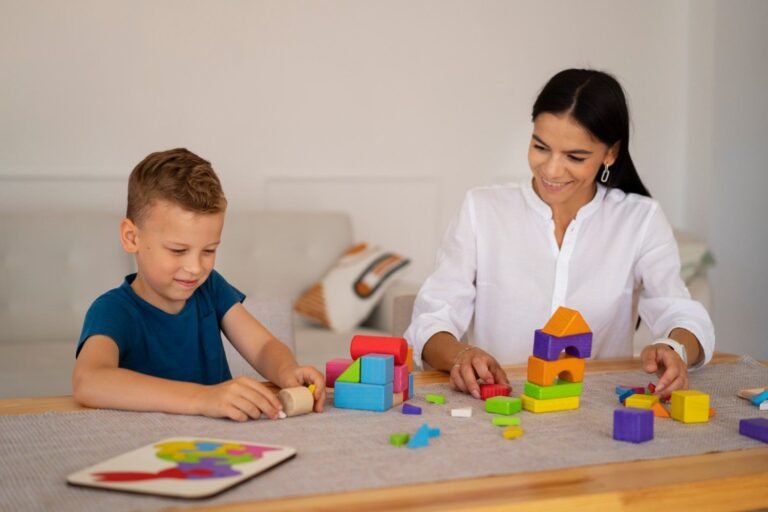
Fine motor skills involve the small movements of the hands and fingers. These skills are important for writing, drawing, colouring, using scissors, handling toys, and managing clothing fasteners.
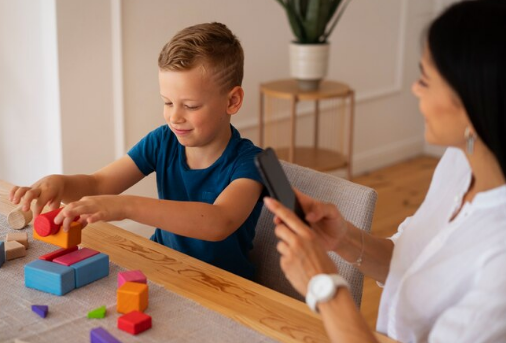
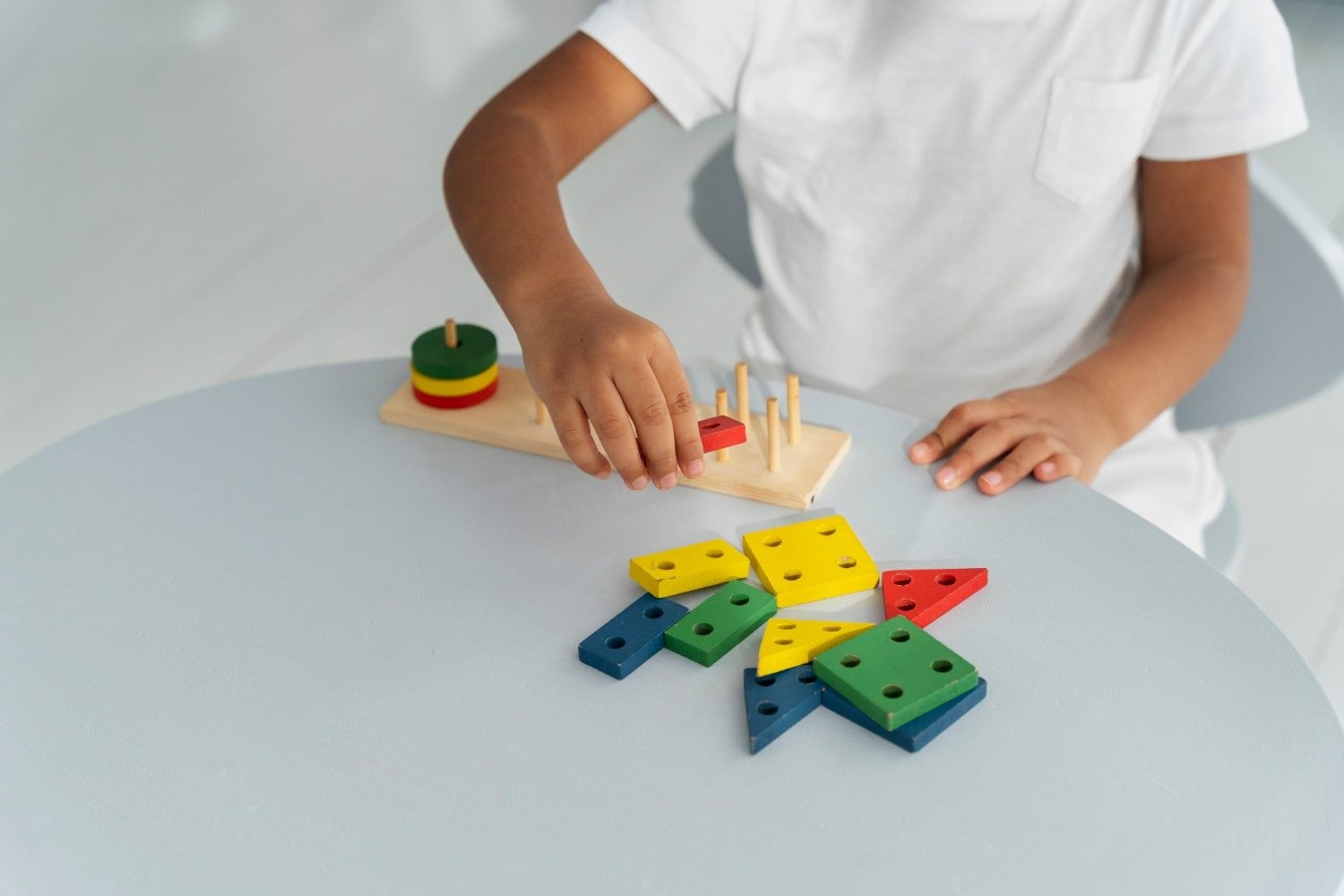
Therapists may use games, puzzles, drawing activities, blocks, and other structured tasks to improve hand strength, coordination, and control.
2. Builds Self-Care and Daily Living Skills
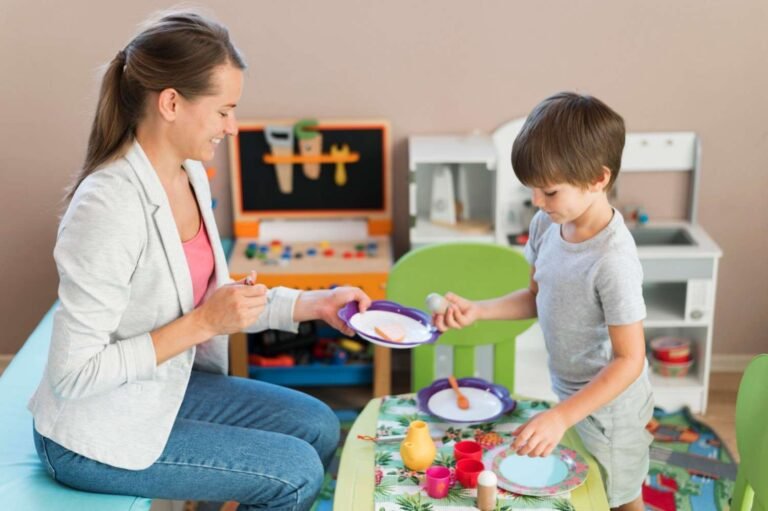
Independence is an important part of childhood development. Some children may need extra help learning how to dress, eat, brush their teeth, wash their hands, or manage personal routines.
Occupational therapy breaks these activities into manageable steps. With regular practice, children can gradually learn to perform more tasks with less assistance.
3. Supports Sensory Processing
Some children may become overwhelmed by sounds, textures, movement, lights, or other sensory experiences. Others may seek additional sensory input.
Occupational therapy can help children develop strategies for responding to sensory information more effectively. This can make everyday routines more comfortable and manageable.
4. Develops Motor Planning and Coordination
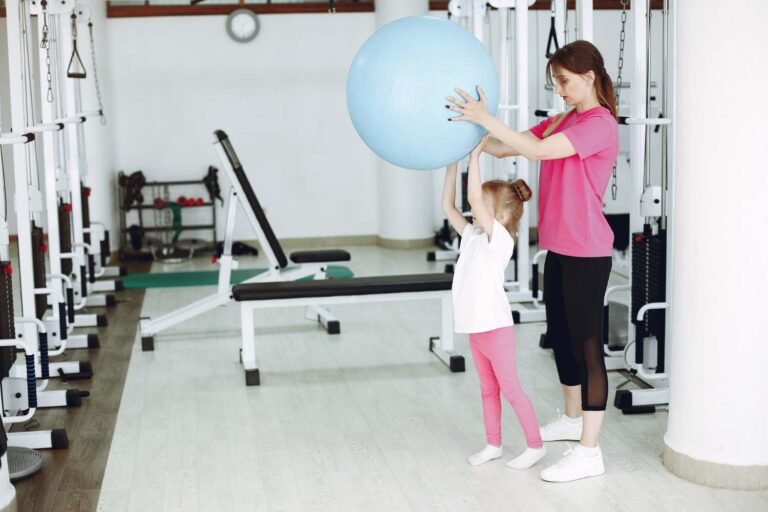
Motor planning helps children understand how to organize and perform movements. It can affect activities such as climbing, jumping, catching a ball, using classroom tools, or completing multi-step tasks.
Through age-appropriate activities, Occupational Therapy in Greater Noida can help children improve body awareness, coordination, balance, and movement planning.
Occupational Therapy Can Support School Readiness
Children need more than academic knowledge to participate successfully at school. They also need to sit and attend to activities, hold a pencil, use classroom materials, follow routines, and interact during play.
Pre-writing, handwriting, visual-motor coordination, attentiveness, and classroom involvement are among the abilities that occupational therapy can help with. Children who possess these abilities may find it simpler to participate in educational activities and develop greater self-assurance in the classroom.
Choosing an Occupational Therapist in Greater Noida
An experienced Occupational Therapist in Greater Noida can help identify the specific skills a child may need to develop and create a structured therapy plan around those needs. Through age-appropriate exercises, the therapist may focus on fine motor coordination, sensory processing, self-care, attention, motor planning, and school-related skills. Regular sessions with an Occupational Therapist in Greater Noida can help children practise these skills in a supportive environment and gradually use them more independently in everyday situations.
Why Individualized Occupational Therapy Matters
Every child has different abilities and challenges. Therefore, therapy should not follow the same approach for everyone.
A personalized occupational therapy program considers the child’s developmental level, strengths, difficulties, interests, and everyday goals. Therapists can then select activities that are meaningful and motivating for the child.
At Miracles For Hope, the multidisciplinary approach supports children with different developmental needs through occupational therapy and other child-focused services.
Benefits of Early Support
Early support can help children develop foundational skills during important stages of growth. When difficulties with self-care, motor skills, sensory processing, or daily activities are identified, appropriate therapy can provide structured opportunities for practice.
The focus remains on functional progress. Small improvements, such as holding a spoon correctly or completing part of a dressing routine, can become important steps toward greater independence.
Conclusion
Occupational therapy in Greater Noida can help kids become more self-assured and self-sufficient in daily life. Occupational therapy emphasizes practical abilities that children use on a daily basis, from fine motor skills and sensory processing to self-care, coordination, and school-related activities.
With personalized goals, consistent practice, and family support, children can gradually improve their ability to participate in daily routines. Miracles For Hope provides child-focused occupational therapy as part of a broader approach to supporting children’s development and functional independence.
Frequently Asked Questions
1. What does occupational therapy help children with?
Occupational therapy can help children with fine motor skills, sensory processing, motor planning, coordination, self-care, handwriting, play, and other everyday activities.
2. When should a child consider occupational therapy?
A child may benefit from occupational therapy when difficulties with everyday activities, motor skills, sensory responses, self-care, learning-related tasks, or developmental skills affect participation at home or school.
3. Can occupational therapy improve a child’s independence?
Yes. Occupational therapy focuses on practical skills that support greater participation in daily routines. Children can learn to perform tasks such as dressing, eating, grooming, writing, and playing with increasing independence.
4. Is occupational therapy suitable for children with developmental challenges?
Occupational therapy may be beneficial for children experiencing developmental or functional challenges. The therapist assesses the child’s individual needs and develops appropriate goals and activities.
5. How does pediatric occupational therapy work?
The process generally begins with an assessment of the child’s abilities and challenges. The therapist then develops individualized activities and strategies to improve functional skills through structured practice.