How Does Occupational Therapy in Raj Nagar Extension Helps Children Build Essential Skills?
Every child develops at their own pace. However, some children may need additional support with movement, communication, sensory processing, attention, or everyday activities. Occupational Therapy in Raj Nagar Extension can help children develop practical skills and participate more confidently in activities at home, school, and in social settings.
Occupational therapy focuses on meaningful activities that support a child’s independence and overall development. The therapy plan is adapted to the child’s individual needs, strengths, and areas where additional support may be helpful.
Direct chat with us via WhatsApp.
What Is Occupational Therapy for Children?
Pediatric occupational therapy helps children improve skills needed for everyday activities. These may include holding a pencil, using scissors, getting dressed, eating independently, playing, following routines, or participating in classroom activities.
A trained occupational therapist observes how a child performs different tasks. Based on the assessment, the therapist develops activities that target specific areas of difficulty.
How Occupational Therapy in Raj Nagar Extension Supports Development
Children learn through play, movement, exploration, and interaction. Occupational therapy uses these natural learning opportunities to make skill development engaging and practical.
Occupational Therapy in Raj Nagar Extension may support several important areas of childhood development.
1. Improves Fine Motor Skills
Fine motor skills involve the small muscles of the hands and fingers. Children use these skills for writing, drawing, buttoning clothes, using utensils, and handling toys.
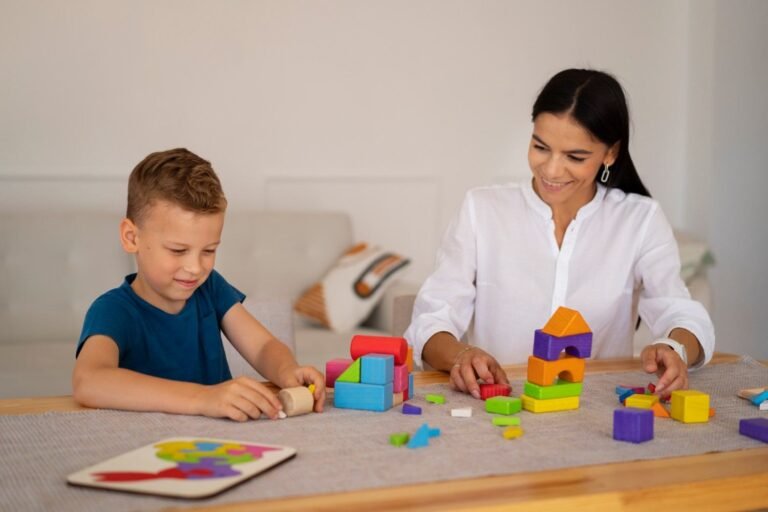
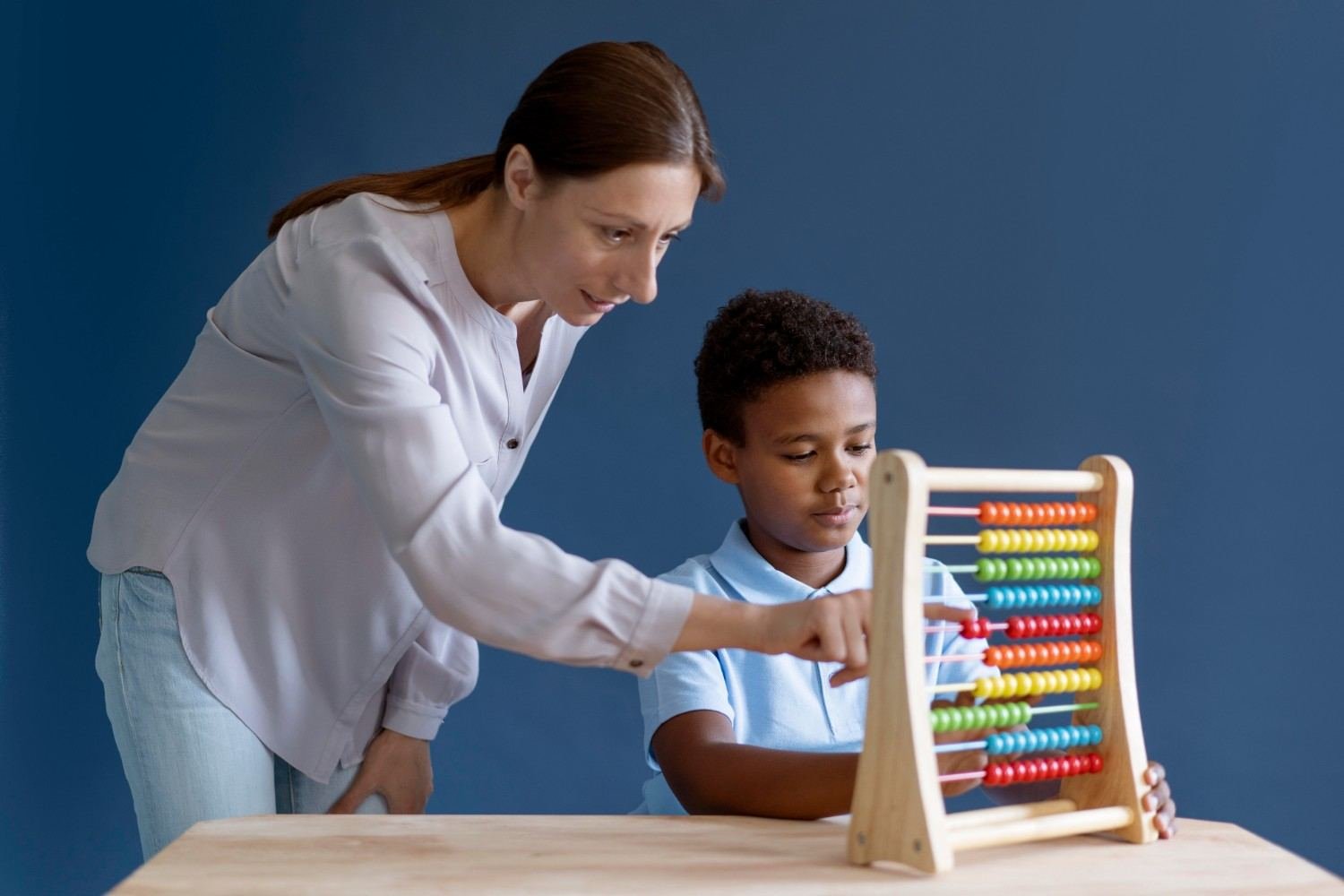
Therapy activities may include puzzles, drawing, building blocks, finger exercises, and other age-appropriate tasks. These activities can help improve hand strength, coordination, and control.
2. Develops Gross Motor Coordination
Some children experience difficulty with balance, body coordination, or movement. Occupational therapy may include activities that encourage better body awareness and coordination.
Movement-based activities can help children participate more comfortably in play, sports, classroom activities, and other daily tasks.
3. Supports Sensory Processing
Children may respond differently to sounds, textures, lights, movement, or touch. Some may become overwhelmed by certain sensations, while others may actively seek additional sensory input.
Occupational therapists can use structured sensory activities to help children manage sensory experiences more effectively and participate in daily routines.
4. Builds Attention and Classroom Skills
Attention and task completion are important for learning. Occupational therapy can include activities designed to encourage focus, following instructions, visual attention, and completing tasks step by step.
These skills may help children manage classroom routines and participate more effectively in learning activities.
5. Encourages Independence in Daily Activities
Everyday tasks are an important part of a child’s development. Occupational therapy can help children practise activities such as dressing, feeding, grooming, organizing belongings, and following routines.
The goal is to gradually help children become more independent while developing confidence in their abilities.
When Should Parents Consider Occupational Therapy?
Parents may consider Occupational Therapy in Raj Nagar Extension when a child consistently struggles with age-appropriate activities. Possible signs may include difficulty holding a pencil, using both hands together, managing sensory experiences, completing daily routines, or participating in play and school activities.
A professional assessment can help identify the child’s specific needs. Early support may make it easier to work on skills before challenges become more difficult to manage.
What Happens During Occupational Therapy?
The process usually begins with an assessment of the child’s abilities, challenges, behaviour, and daily activities. The therapist may observe fine motor skills, gross motor coordination, sensory responses, attention, and functional abilities.
Based on the findings, an individualized therapy plan is created. Sessions may involve games, movement activities, sensory exercises, fine motor tasks, and practical daily activities.
Parents may also receive guidance on activities that can be practised at home. Consistent support across therapy, home, and school can help reinforce developing skills.
Choosing Occupational Therapy in Raj Nagar Extension
When selecting Occupational Therapy in Raj Nagar Extension, parents should consider the therapist’s experience with children, assessment approach, therapy environment, individualized planning, and communication with families.
A child-friendly environment can make therapy more comfortable and engaging. Regular progress monitoring can also help therapists adjust activities as the child’s abilities develop.
Conclusion
Occupational therapy can play an important role in helping children develop the skills they need for everyday life. From fine motor coordination and sensory processing to attention and independence, therapy can address different areas according to each child’s needs.
For families seeking Occupational Therapy in Raj Nagar Extension, an individualized and child-focused approach can provide structured support for skill development. With appropriate guidance, regular practice, and family involvement, children can work toward greater confidence and independence in their daily activities.
Frequently Asked Questions
1. What does pediatric occupational therapy help with?
It can support fine motor skills, coordination, sensory processing, attention, self-care, and other functional skills required for everyday activities.
2. At what age can a child receive occupational therapy?
Children of different ages may benefit from occupational therapy. The appropriate approach depends on the child’s developmental needs and individual challenges.
3. Can occupational therapy help with handwriting?
Yes. Occupational therapy may work on hand strength, pencil grip, coordination, visual-motor skills, and other abilities involved in handwriting.
4. How long does occupational therapy take?
The duration varies from child to child. It depends on the child’s goals, needs, progress, and recommended therapy plan.
5. Can parents support occupational therapy at home?
Yes. Therapists may suggest age-appropriate activities and strategies that parents can incorporate into everyday routines to reinforce developing skills.
For more information about Miracles For Hope, visit https://share.google/9NjjrQHFi77p9OZrc to learn more about their services or to book an appointment.